How Do Adaptive Shocks Change From Soft to Firm While You’re Driving?
October 31, 2026
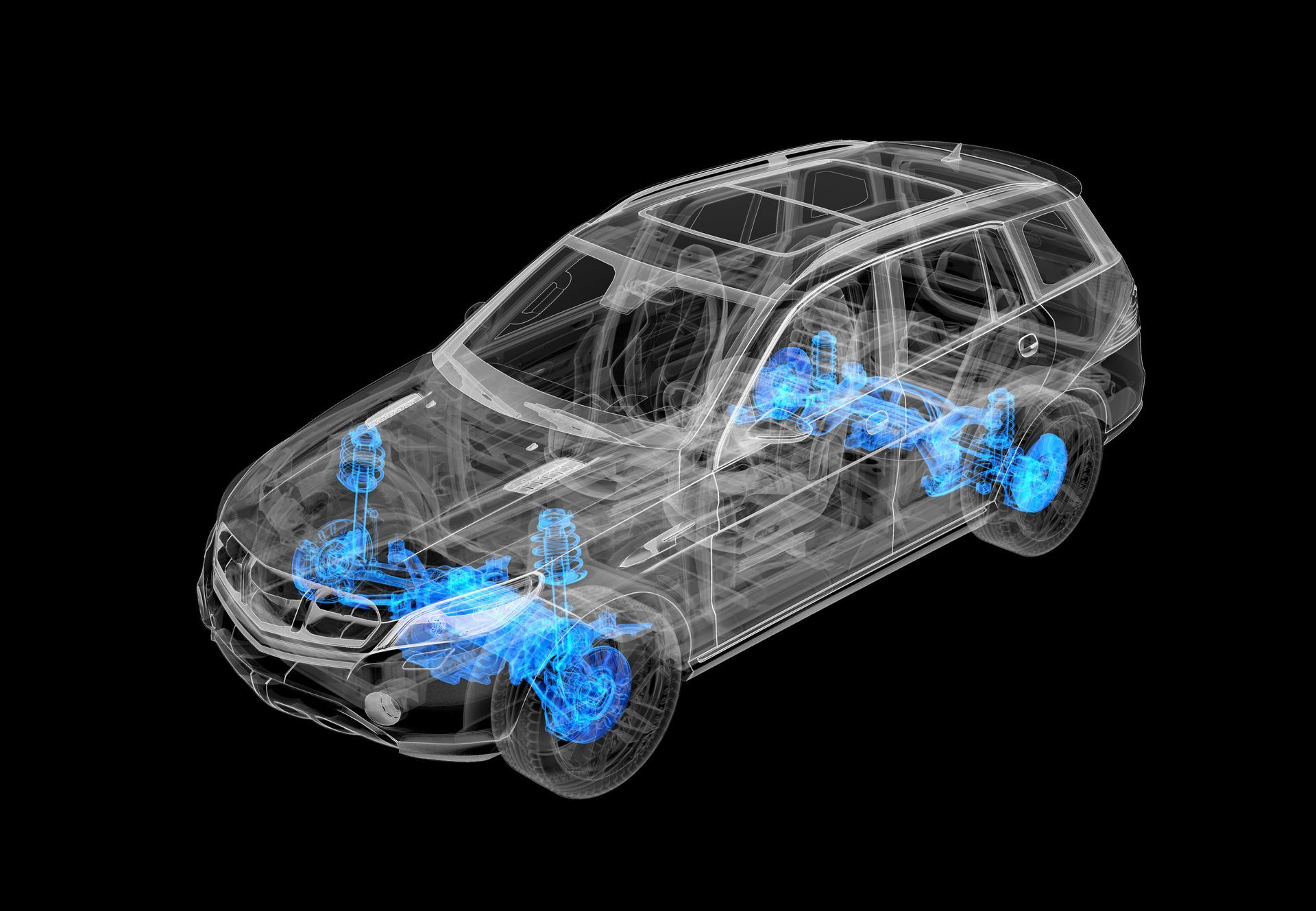
Press a drive-mode button, and the car feels more settled in a turn, then calmer over rough pavement after switching back. On a car with adaptive dampers, part of that change happens inside the shocks. The suspension is adjusting how strongly it resists movement.
You don't have to stop and fit different springs. Electronic controls change the damping while the car is moving, using information about the road and how you're driving. Different manufacturers achieve that in different ways.
How Adaptive Shocks Control Suspension Movement
A conventional shock moves fluid through internal passages to control suspension movement. Its mechanical design sets the way it responds. An adaptive shock adds a way to vary that resistance, giving the controller more options as conditions change.
Why make a shock softer on one stretch and firmer on another? A gentler setting helps the wheel follow rough pavement with less harshness. More damping helps control body movement during braking or a turn. Those adjustments stay within the damper's range, and the springs still carry the vehicle's weight.
Electronic Valves Adjust Fluid Flow Inside Some Shocks
One common design uses an electrically controlled valve to change the path or restriction for fluid inside the damper. The controller adjusts that valve, changing the force needed to move the shock. It responds repeatedly as the car travels, not just when the driver selects another mode.
The adjustment isn't simply fully soft or fully hard. Many designs work across a range of damping forces. We identify the suspension fitted to the car before checking a fault, because the valve, wiring, sensors, and service procedures differ between models.
Magnetic Dampers Use a Different Method
Some vehicles use fluid containing tiny magnetic particles. A controlled magnetic field changes how the fluid resists movement through the damper's passages. That lets the controller vary damping without relying on the same valve arrangement used by other adaptive shocks. Does every electronic suspension use that fluid? No. Similar drive-mode labels sometimes hide very different hardware. We check the vehicle's build information and part details before ordering a replacement. A standard shock that fits the mounting points isn't automatically a working substitute for an electronically controlled one.
Suspension Sensors Help the Car Respond
The controller uses information such as vehicle movement, steering input, speed, and braking, depending on the design. It then adjusts the dampers to fit the driving condition. A selected comfort or sport mode changes the way those decisions are made within the programmed range.
Adaptive damping also differs from air suspension. Some cars have both, but changing damping doesn't automatically raise or lower the car. A low corner after parking brings a different set of checks than a harsh ride with normal height. Tell us which change you've noticed so we start with the right complaint.
What We Check When Adaptive Suspension Feels Wrong
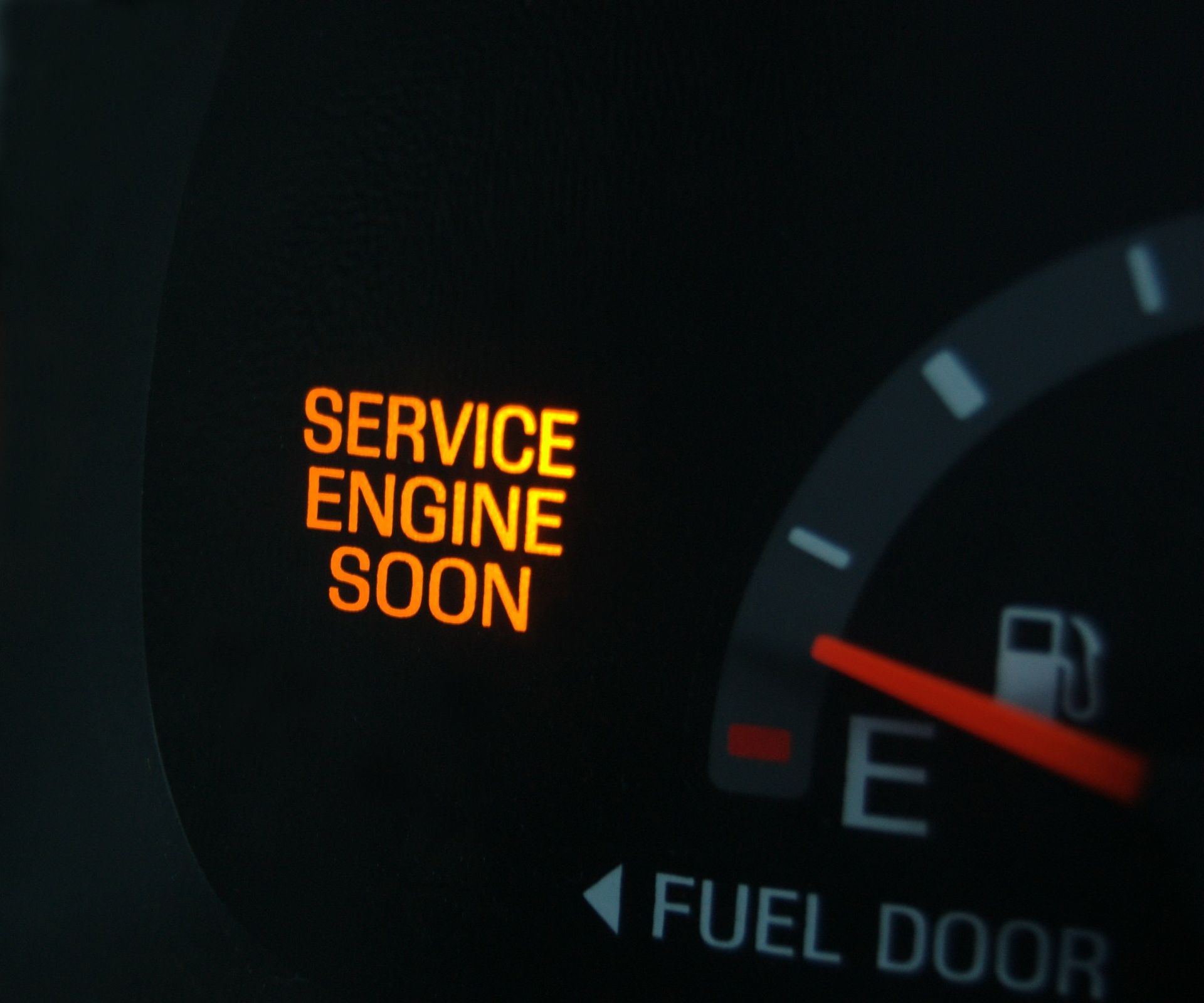
A harsh ride, repeated bouncing, or a suspension warning sometimes begins with a damper fault, but damaged wiring or incorrect sensor information also changes the response. We read stored faults and compare the commands with how the suspension is operating.
Our checks might include:
- Damper leaks and mounting damage
- Electrical connectors and wiring
- Sensor readings and vehicle movement
- Control commands to the affected damper
- Tire pressures and mechanical suspension wear
- Required calibration or setup after repair
A broken spring or loose joint still needs repair even if the dashboard has no electronic warning. The car has mechanical parts as well as adjustable dampers.
Describe the Ride Change Before Replacing Shocks
Has the car become harsh all the time, or only in one mode? Tell us if the change started after a pothole, battery work, or a suspension repair. The timing helps us decide which connections, settings, and parts need checking first.
You can check cold tire pressures against the vehicle label at home, since overinflation also makes a ride feel harsher. Add or release air using a gauge with the tires cold, then recheck. Leave damper electrical testing and under-car movement checks to the shop. Unplugging parts to see what changes sometimes adds faults without explaining the original one.
Adaptive Suspension Repair at Kelly's Auto Repair in Wilmington, Delaware
Kelly's Auto Repair in Wilmington, Delaware, can check suspension warnings, harshness, and changes between drive modes. Bring details of recent work and when the ride changed.